
The PSAT Isn’t a Practice SAT. Here’s What It’s Actually For.

If your student just took the PSAT, or is about to, you’ve probably heard it described as “practice for the SAT.” That explanation isn’t wrong, exactly, but it’s incomplete enough to be misleading. Parents who think of the PSAT as a low-stakes dry run often skip the one thing that makes it worth taking at […]
The One Question That Actually Predicts SAT vs. ACT Success

If you’ve spent any time researching the SAT versus the ACT, you’ve probably found a dozen comparison charts: section names, question counts, whether there’s a calculator, whether Science is required. All of that information is accurate, and none of it actually tells you which test your student should take. Here’s why. Feature charts describe the […]
5 Everyday Study Habits That Are Secretly Test Prep

Most families picture test prep as something that starts a few months before the SAT or ACT: a prep book, a practice test, maybe a tutor. By the time a student sits down for that first official practice test, though, a lot of the real work is already done, or isn’t. The habits a student […]
Why Middle School Is Where Lifelong Study Habits Are Built, or Lost

If you have a middle schooler, you have probably already noticed it. The system of reminders you built in elementary school, the folder checks, the nightly reading log, the teacher who caught every missing assignment, does not carry over. Middle school hands your child more subjects, more teachers, and far less built-in structure, right at […]
How to Choose the Right Tutor for Your Child: A Parent’s Practical Checklist

If you’ve started looking into tutoring, you’ve probably noticed there’s no shortage of options, and very little guidance on how to actually compare them. A quick search turns up tutoring centers, learning apps, local college students, and online platforms, all claiming to help kids “catch up” or “get ahead.” For a parent who just wants […]
The Middle School Transition: What Actually Changes Academically, and How to Help Your Child Get Ready

The middle school transition is coming up fast if your child is heading into sixth grade soon, and you have probably noticed the questions start early: will they find their classes, will they make friends, will they be okay without you checking their backpack every night. Most of that worry is really about one thing. […]
Signs Your 3rd-5th Grader May Need Extra Academic Support
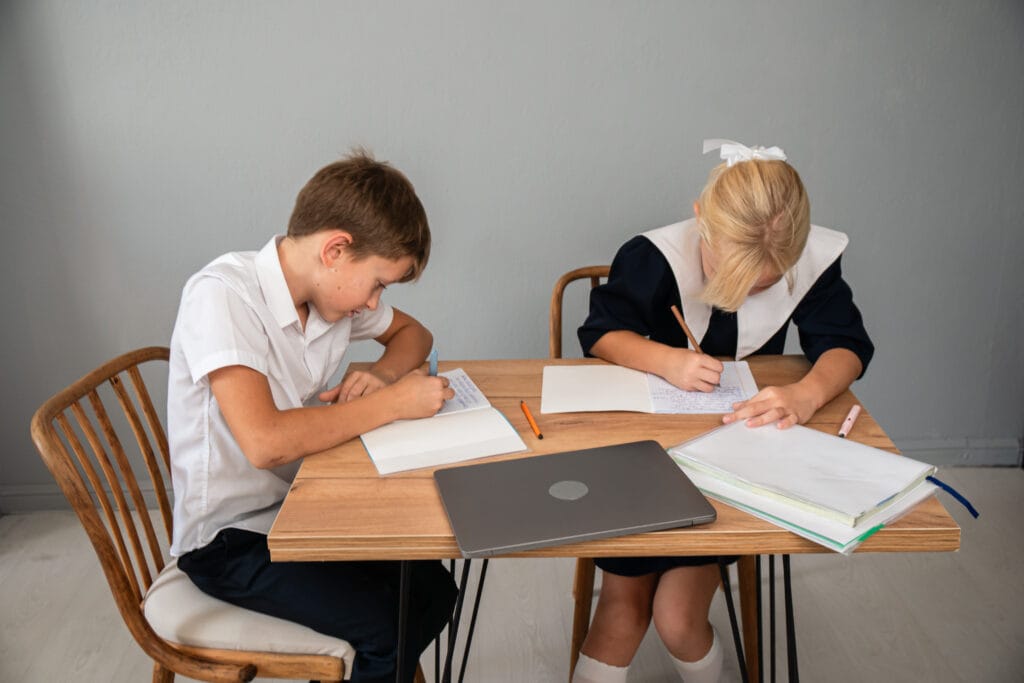
Every elementary student needs extra help with something at some point — the real question for parents is how to tell when it’s more than a passing rough patch. Somewhere between third and fifth grade, schoolwork changes in a way that catches a lot of families off guard. Reading shifts from “sound out the words” […]
Reading Comprehension Strategies That Actually Stick

Your child can read the words on the page just fine. They sound out even the tricky ones, they finish assigned chapters on time, and yet when you ask what just happened in the story, you get a shrug, or a vague “I don’t know, stuff happened.” That gap, between reading the words and actually […]
Why Spanish Class Feels Harder Than It Should, and What Actually Helps
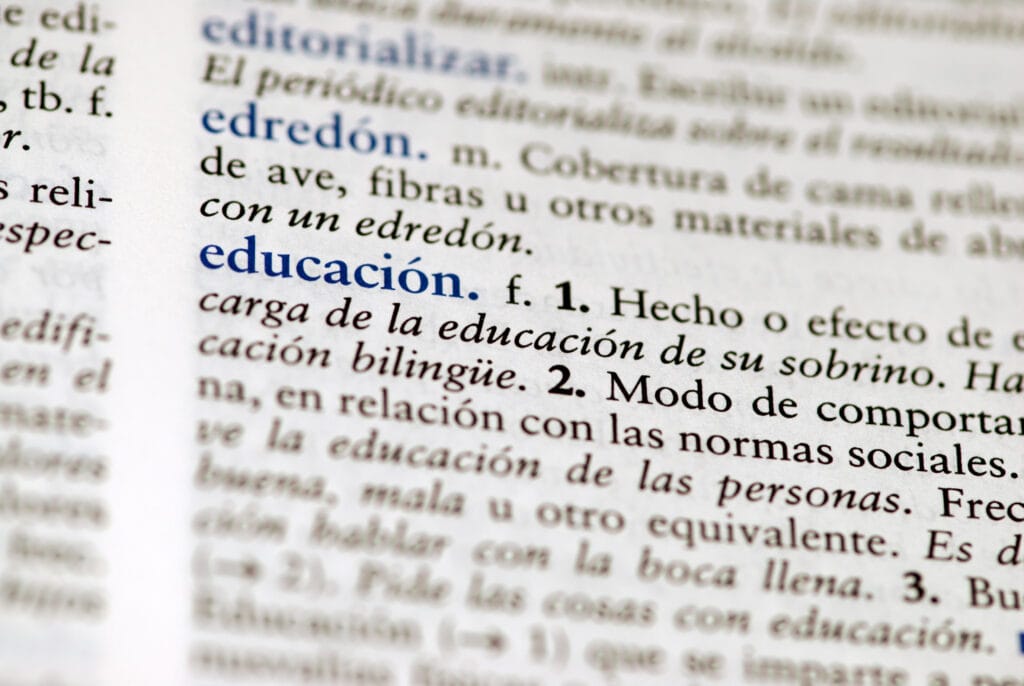
Struggling in Spanish class? Learn the real reasons certain skills feel so hard, plus simple strategies parents can use at home to build fluency and confidence.
Math Anxiety vs. a Math Problem: How to Tell the Difference

Your child used to be fine with math. Now the mention of homework brings tears, or a slammed door, or a flat “I just don’t get it” that shuts down any attempt to help. As a parent, it’s hard to know exactly what you’re looking at: is this a math problem, or something else entirely? […]