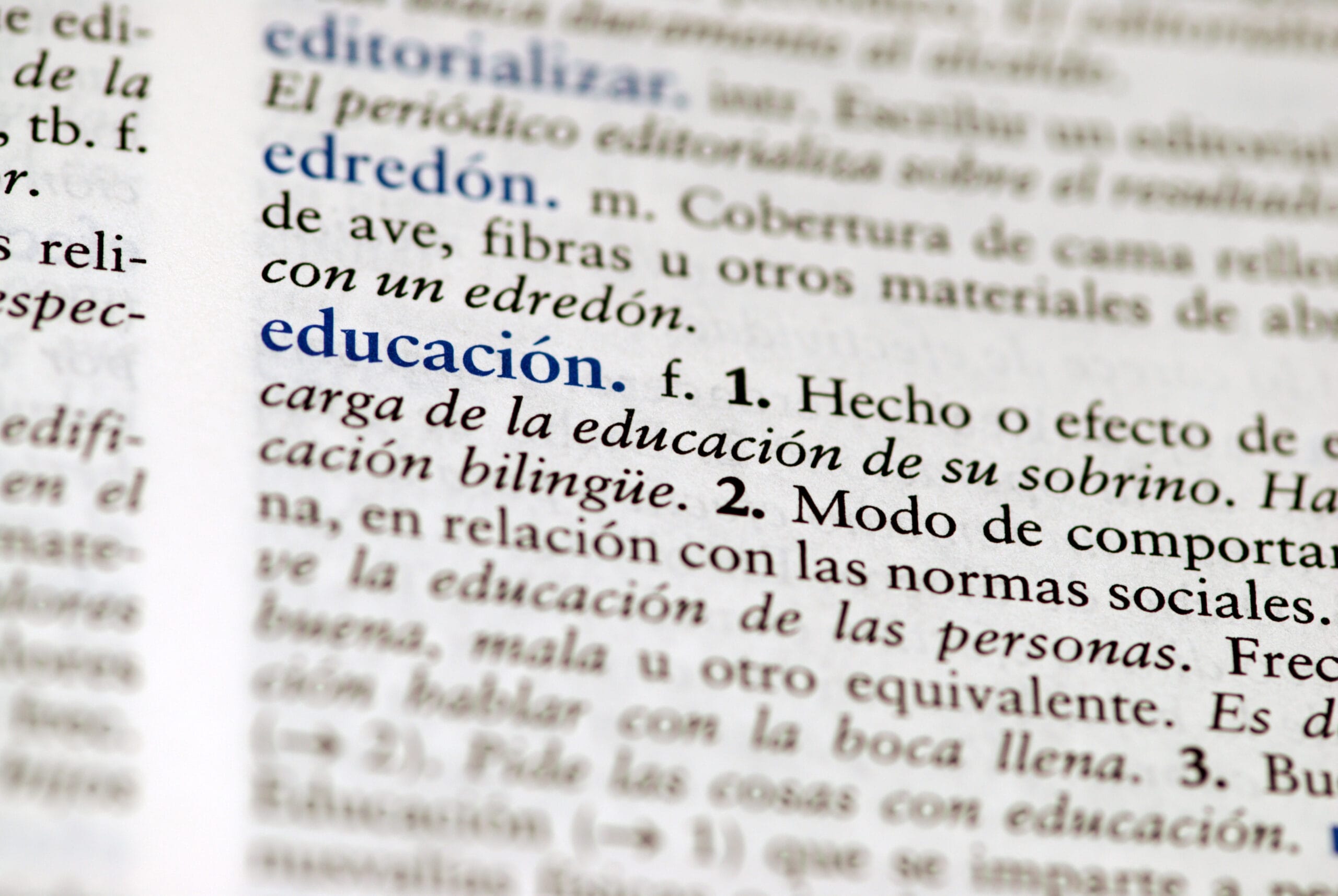
If your student comes home frustrated after Spanish class, insisting they “just don’t get it” even though they study every night, you are not imagining the disconnect. Spanish is one of the most commonly required languages in American schools, yet it trips up bright, hardworking students all the time. That is not a reflection of effort or intelligence. It is usually a sign that a specific skill, not the whole subject, needs attention.
Understanding what is actually going wrong is the first step toward fixing it, and it often takes far less time than parents expect.
It Is Not Just Memorizing Words
Many parents assume Spanish class is mostly vocabulary lists, and that if their child would just study the flashcards more, things would click. Vocabulary matters, but it is only one piece. Learning a second language also means learning a new grammar logic, a different rhythm of speech, and the ability to process sound in real time without translating word by word in your head.
That last part is the one most students never get taught directly. They are told to “think in Spanish,” but no one shows them how. Without that skill, every sentence becomes a slow, effortful translation exercise, which is exhausting and makes the class feel much harder than it needs to be.
The Sticking Points That Trip Up Most Students
A few specific trouble spots show up again and again, and each one has a different fix.
Verb Conjugations That Never Seem to Stick
Spanish verbs change form based on who is doing the action and when it happens, and English simply does not work that way. Students often memorize a conjugation chart for a quiz, then forget it within days because they never used it in an actual sentence. Conjugation sticks when it is practiced in context, not in isolation.
Listening Comprehension Panic
Spoken Spanish moves fast, and words blend together in ways that written Spanish does not prepare students for. A student who reads confidently can still freeze during a listening exercise, not because they do not know the words, but because they have never practiced hearing them at natural speed.
Understanding It in Class but Blanking on the Test
This is one of the most common frustrations parents describe, and it is rarely about knowledge. It usually means the student can recognize Spanish when it is right in front of them, but has not practiced producing it independently, which is a completely different skill and the one most tests actually measure.
Grammar Rules That Feel Backward Compared to English
Word order, gendered nouns, and rules like putting adjectives after the noun instead of before it can feel illogical at first, simply because they do not match the patterns a student has used their whole life. This is not a sign of struggle. It is a completely normal part of learning any new language, and it resolves with repeated, low-pressure exposure.

What Actually Helps at Home
Parents do not need to speak Spanish themselves to make a real difference. A few small, consistent habits go a long way.
Short daily practice beats long weekend cramming. Ten focused minutes a day builds the kind of automatic recall that a two-hour Sunday study session cannot, because language skills need repetition spaced out over time, not concentrated all at once.
Listening exposure matters as much as studying vocabulary. Spanish language music, shows with Spanish audio and English subtitles, or even short kid-friendly podcasts train the ear in a way that flashcards never will, and most students find it far more enjoyable than traditional homework.
Speaking out loud, even alone, closes the gap between recognizing Spanish and producing it. Reading vocabulary silently is passive. Saying sentences out loud, even imperfectly, is what actually builds the retrieval skill tests require.
Mistakes are part of the process, not a sign something is wrong. Students who are afraid to get a conjugation wrong often freeze up entirely rather than attempt an answer. Normalizing mistakes as a normal part of language learning tends to reduce that anxiety more than any amount of additional drilling.
When Struggling Might Be More Than Just a Tough Subject
Occasionally, ongoing difficulty in a language class points to something beyond typical learning curves, such as an underlying reading or processing difference that also shows up in English class, or significant anxiety that shows up specifically during oral exams or listening assessments. If a student’s frustration seems out of proportion to the material, or if the struggle is affecting their confidence more broadly, it is worth a closer look rather than assuming more practice alone will solve it.
Building Real Confidence in Spanish, One Step at a Time
Spanish class does not have to be a constant source of stress. Most students who feel behind are missing one or two specific skills, not a general aptitude for language, and once those gaps are identified, progress tends to happen quickly.
At Engaged Minds Academy, our tutors work with students in grades 3 and up to pinpoint exactly where a language gap is coming from, whether that is verb conjugation, listening comprehension, or test anxiety, and build a plan around it. Because sessions are one on one and fully virtual, students get focused practice speaking and listening in a low pressure setting, which is often the missing piece that turns frustration into genuine confidence.
It is worth noting that our tutors focus on the Spanish your student needs for class, homework, and tests, not on conversational fluency for its own sake. If your family is also interested in learning to actually speak Spanish just for fun, for travel, or to connect with relatives, we are happy to point you toward Spoken Learning, a company we personally love for exactly that kind of conversational Spanish instruction.
If your student has been struggling in Spanish and you are not sure where to start, we would be glad to help you figure out the right next step.
About The Author
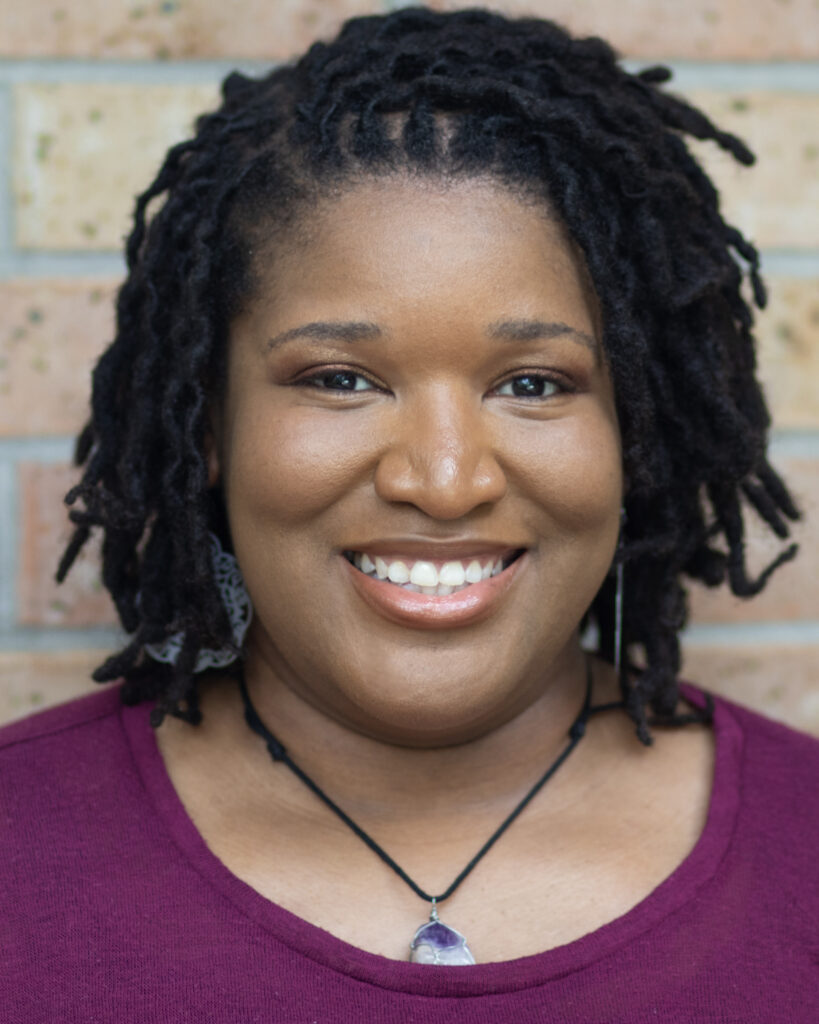
Dominique Benson is an educator, curriculum designer, and the founder of Engaged Minds Academy—an online tutoring company serving students nationwide. She’s spent over a decade helping students master subjects like algebra, biology, writing, and SAT prep, with a focus on real-world skills and personalized support. Dominique writes all blog content for EMA to help families make confident, informed decisions about their child’s academic success.
📌 Learn more about Dominique here.
📧 Questions? Reach out at hello@engagedmindsacademy.com
📱 Follow EMA on Instagram: @engagedmindsacademy