
Most families picture test prep as something that starts a few months before the SAT or ACT: a prep book, a practice test, maybe a tutor. By the time a student sits down for that first official practice test, though, a lot of the real work is already done, or isn’t. The habits a student builds all year long, how they read, how they organize their time, how they review before a quiz, are quietly shaping how ready they’ll be when test day actually arrives.
The good news is that most families don’t need to add a brand new habit to get ahead on test prep. They just need to notice the ones already happening at home, understand why they matter more than anyone realizes, and build on them a little on purpose.
The Reading Habit That’s Already Building Vocabulary
If your child reads for fun, even inconsistently, they are already doing some of the most valuable SAT and ACT prep there is. Both tests lean heavily on reading comprehension and vocabulary in context, not memorized word lists, but the ability to figure out what a word or sentence means from how it’s used. That skill builds slowly, through exposure to lots of different kinds of writing, not through drilling flashcard definitions in isolation.
The habit worth encouraging isn’t more reading time necessarily, it’s more variety. A student who only reads one genre, just graphic novels, or just one favorite series, gets good at that kind of writing, but tests pull from science articles, historical narratives, and persuasive essays with very different sentence structures and tones. Rotating in a nonfiction article, a short magazine piece, or even a well written sports recap once in a while gives a student practice with the range of writing styles they’ll actually see on test day, without turning reading time into a chore.
Why an Organized Backpack Says More About Test Day Than You’d Think
It’s tempting to treat an organized backpack or a consistent homework spot as a tidiness issue. It’s really a cognitive one. When a student has to spend mental energy hunting for a worksheet, remembering where they left off, or digging for a calculator, that’s energy not available for the actual thinking the task requires.
The same thing happens on a timed test. A student who’s practiced keeping track of multiple things at once, which problems they’ve flagged to revisit, how much time is left, which section comes next, has an easier time managing all of that on test day without it eating into their focus. A simple system at home, one folder per subject, a consistent place for materials, a short checklist before leaving for school, builds exactly that kind of mental bandwidth, even though from the outside it just looks like being tidy.

The Difference Between Reviewing Notes and Actually Remembering Them
Not all studying is equally effective, and the difference matters a lot for test prep. Reading back over notes or a textbook chapter feels productive, but it’s a passive habit: the material feels familiar because the eyes have seen it, not because it’s actually been learned. Actively pulling information out of memory, through flashcards, self-quizzing, or explaining a concept out loud without looking at the notes, is a completely different skill, and it’s the one that holds up under test pressure.
This kind of active recall, often called retrieval practice, is one of the most well supported study techniques in cognitive science, and the research behind it applies just as much to a vocabulary quiz as it does to the reading section of the SAT. Students who already quiz themselves instead of just rereading are practicing the exact mental muscle that high scorers rely on; we wrote more about those overlapping habits in Hidden SAT Skills: 4 Powerful Habits High-Scoring Students Practice.
Timed Homework Is Quietly Teaching Pacing
Pacing is one of the hardest parts of the SAT and ACT to practice, because it isn’t really about knowing the material, it’s about managing time pressure while using it. A student can know every grammar rule and still run out of time if they’ve never practiced working with a clock running in the background.
Ordinary homework is a low stakes place to build that comfort. Setting a timer for a reading assignment or a set of math problems, not to rush through them, but just to get used to the feeling of a deadline, mirrors what a timed test section actually feels like. It’s a small shift, but it’s part of the same study habit foundation that gets built well before high school, often starting in those middle school years when independence first starts to matter; we go into that early groundwork in Why Middle School Is Where Lifelong Study Habits Are Built, or Lost.
Turning the Habits Your Child Already Has Into Real Prep
None of this requires an overhaul. Most families already have at least one or two of these habits in place somewhere: a reader, an organizer, a kid who quizzes themselves on vocabulary for fun, or one who already asks for a timer during homework. The work is mostly in recognizing which ones are already there and building on them intentionally as test prep gets closer, rather than starting from scratch with a generic prep plan.
That’s often where a tutor adds the most value: not introducing a completely new system, but helping a student see which everyday habits are already working in their favor and turning those into a real SAT or ACT strategy. If you’re not sure where your child’s habits stand, or want a second set of eyes on how test ready they actually are, Engaged Minds Academy’s tutors can help build that plan together, starting with a complimentary first session to see where things stand before committing to anything further.
About The Author
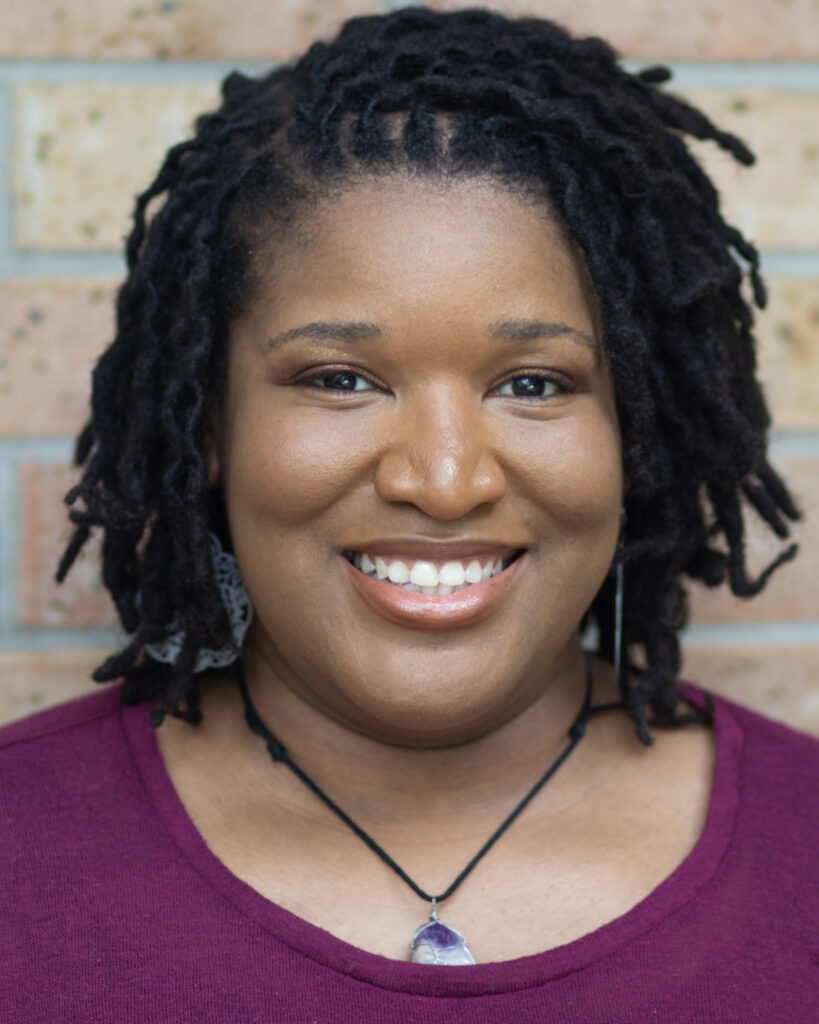
Dominique Benson is an educator, curriculum designer, and the founder of Engaged Minds Academy—an online tutoring company serving students nationwide. She’s spent over a decade helping students master subjects like algebra, biology, writing, and SAT prep, with a focus on real-world skills and personalized support. Dominique writes all blog content for EMA to help families make confident, informed decisions about their child’s academic success.
📌 Learn more about Dominique here.
📧 Questions? Reach out at hello@engagedmindsacademy.com
📱 Follow EMA on Instagram: @engagedmindsacademy